



فرآیند رول روکشی
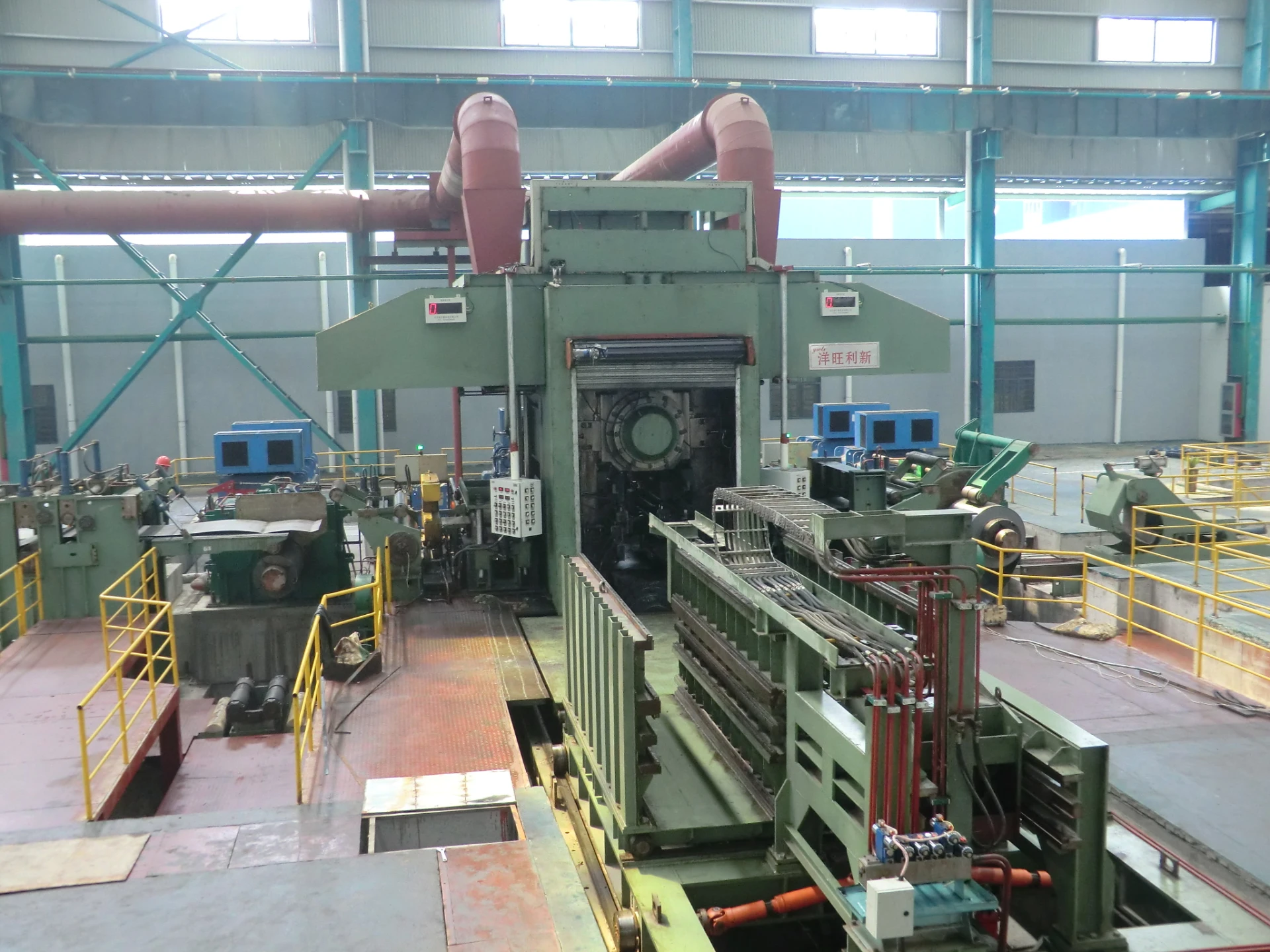
/In precision steel production, skin pass rolling represents a sophisticated final processing step that goes far beyond simple surface treatment. This specialized rolling operation, typically applying just 0.5-3% reduction, serves as the crucial bridge between steel mills and end-users by transforming theoretically flat strip into dimensionally stable, fabrication-ready material. The skin pass mill , whether processing material hot or cold, addresses two of the most persistent challenges in sheet metal production: springback and dimensional inconsistency. The science behind skin pass technology reveals why it has become indispensable for premium steel products. When conventional rolling processes impart significant plastic deformation, they create internal stresses that manifest as springback - the steel's tendency to return partially to its original shape after forming. This effect becomes particularly problematic with advanced high-strength steels where higher yield strengths amplify springback forces. A well-tuned skin pass rolling operation fundamentally alters the material's response characteristics through controlled microstructural modification. Mechanisms of Springback Control in Skin Pass Operations The effectiveness of skin pass technology lies in its ability to modify the steel's yield point elongation behavior. During conventional cold rolling, steel develops a distinct yield point where deformation transitions from elastic to plastic behavior. This yield point elongation causes Luders bands and contributes significantly to springback effects. The skin pass process eliminates this phenomenon by introducing just enough plastic deformation to create a uniform dislocation network throughout the material. In metallurgical terms, the minimal reduction of skin pass rolling achieves several simultaneous improvements. It creates a more homogeneous stress distribution through the strip thickness while stabilizing the material against subsequent deformation. The process essentially "conditions" the steel, making it more predictable during stamping, bending, and other fabrication processes. This explains why automotive manufacturers particularly value skin-passed material for complex body panel stamping where dimensional accuracy is critical. Technical Implementation in Modern Skin Pass Mills Contemporary skin pass mill designs incorporate multiple advanced technologies to achieve precise control. The mills feature work rolls with specialized surface textures that can be precisely controlled to impart specific surface characteristics while maintaining the material's dimensional stability. These textures range from smooth polished finishes for premium painted surfaces to distinctive patterns that enhance paint adhesion or lubrication retention. The hot skin pass mill variant addresses specific challenges with temperature-sensitive alloys. By operating at elevated temperatures, these mills can process materials that would otherwise work-harden excessively during cold processing. The thermal energy helps maintain ductility while still achieving the desired microstructural modifications. This approach proves particularly valuable for certain stainless steel grades and electrical steels where cold working might promote undesirable phase transformations. Skin Pass Mills : Process Control and Quality Assurance The success of skin pass technology hinges on precise control in strip rolling parameters. Modern systems continuously monitor and adjust multiple variables including rolling force, tension, and speed to maintain consistent results across the entire coil length. Advanced sensor systems provide real-time feedback on strip flatness, allowing for instantaneous corrections to roll bending and tension adjustments. This level of control becomes especially critical when processing advanced high-strength steels where the window for optimal processing parameters is narrow. The skin pass operation must impart enough deformation to stabilize the material without compromising its mechanical properties or surface quality. Sophisticated control algorithms balance these competing demands, often incorporating predictive models that anticipate material behavior based on upstream processing history. Skin Pass Mills : Impact on Downstream Fabrication Processes The benefits of proper skin pass treatment extend far beyond the steel mill. Fabricators experience significantly improved consistency in stamping operations, with reduced incidence of springback-related defects. The more predictable material behavior allows for tighter tolerances in formed components and reduces the need for secondary correction operations. In automotive applications, the combination of dimensional stability and controlled surface texture proves particularly valuable. Skin-passed material provides the ideal substrate for painting processes, offering both excellent adhesion and consistent reflectivity. The process also enhances the steel's performance in high-speed stamping operations where consistent friction characteristics are essential. The Indispensable Nature of Skin Pass Technology Skin pass technology has evolved from a simple finishing operation to a critical metallurgical process that fundamentally enhances steel performance. By addressing the root causes of springback and dimensional instability, skin pass rolling enables the production of steel products that meet increasingly demanding application requirements. As steel continues to advance into higher strength grades and more sophisticated applications, the importance of precise skin pass treatment will only grow. The ongoing development of skin pass mill technology ensures that steel producers can meet these challenges while maintaining the strictest quality standards. From automotive body panels to precision appliances and beyond, skin-passed steel provides the foundation for high-performance manufactured products across industries. This technology represents a perfect marriage of metallurgical science and precision engineering, delivering tangible benefits throughout the manufacturing value chain.

We have successfully executed over 500
projects around the world,
many first-of-their-kind
research projects and products in China, including
We have successfully executed over 500
projects around the world,
many first-of-their-kind
research projects and products in China, including
-
2004
The 1st hydraulic AGC system for hot rolling of ribbon steel
-
2006
The 1st AFC system used for 1450mm skin pass mill
-
2009
The 1st 5-stand tandem line with 2-stand POR & Uncoiler for 650mm ribbon steel
-
2012
The 1st reversing mill for 1380mm strip
-
2016
The 1st soft-rolling system used in skin pass mill
-
2019
The 1st fully automated medium-width tandem cold rolling mill
-
2021
The 1st 5000KN Twin-stand double skin pass mill
-
2022
The 1st coupled pickling line & tandem cold mill with two modes - big roller & small roller
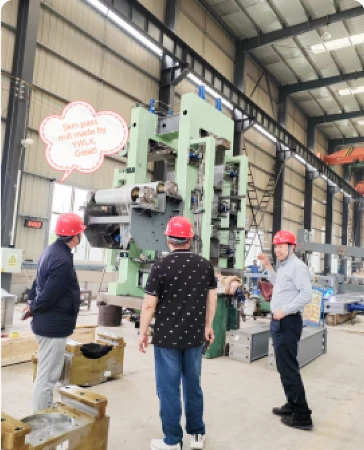

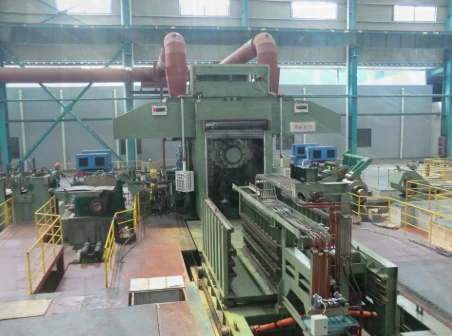
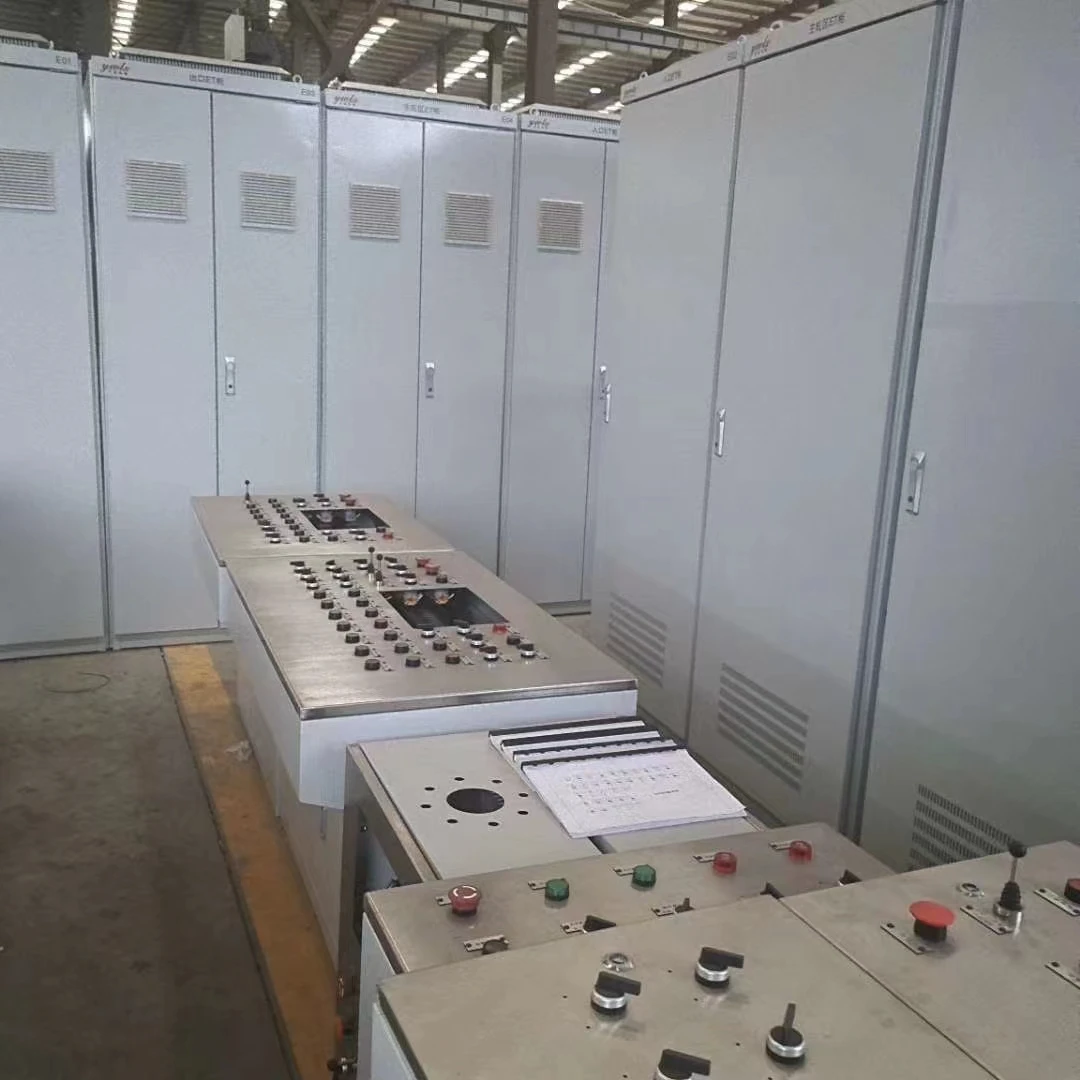
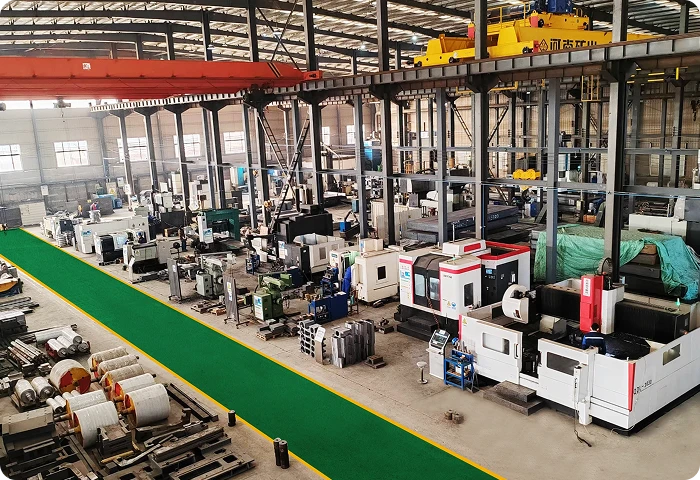
Yang Wang Li Xin operates a state-of-the-art facility over 66,000 square meters,and our manufacturing facility is fully equipped with high-tech machinery and high-capacity cranes. This enables us to handle large work pieces measuring 4.5m in width, 10m in length, and 1.5m in height, guaranteeing our capacity to produce 1800mm skin-pass mills and 1450mm rolling mills. The individual piece can weigh up to 100 tons.

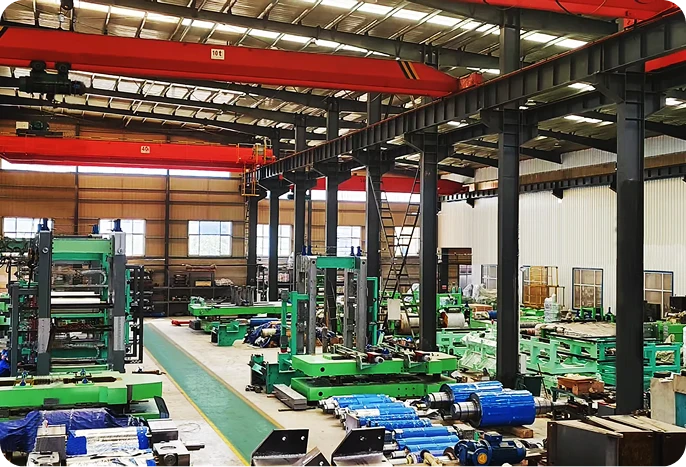

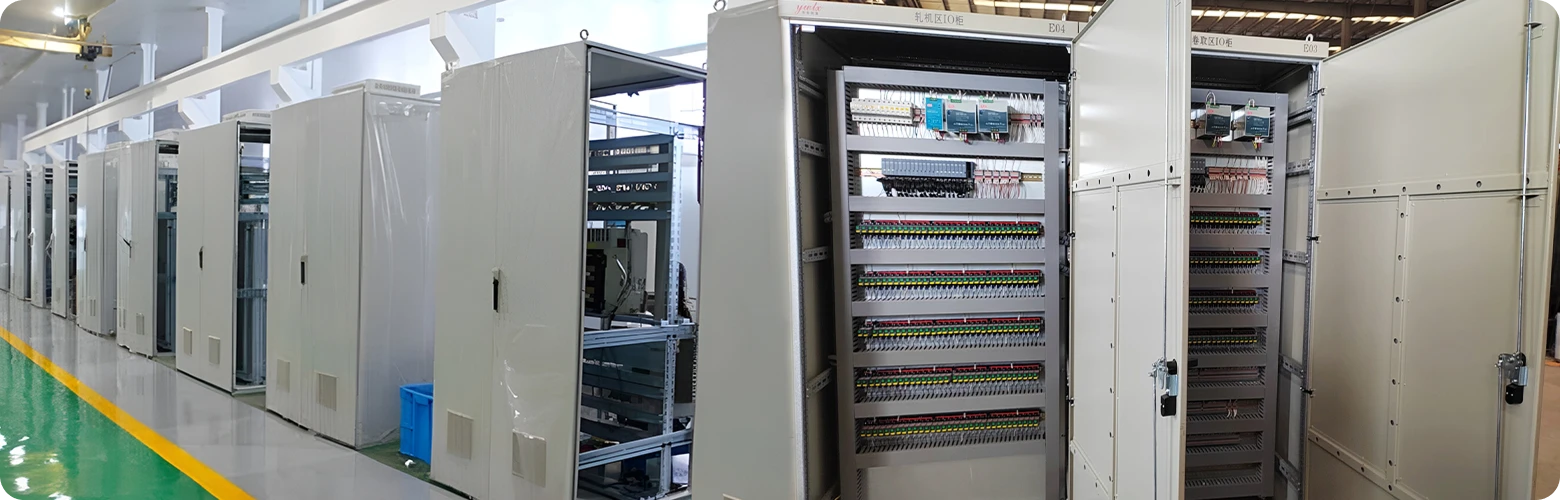
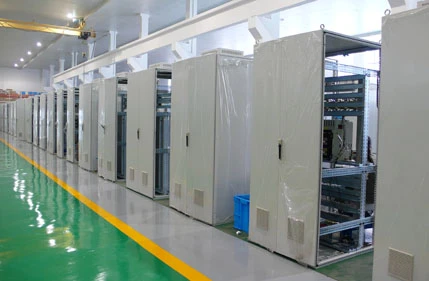
Quality is fundamental to the enterprise survival. We have established a comprehensive and meticulous quality management system and have successfully obtained ISO14000 certification. Starting from the design source, it supervises the entire production cycle, including design, procurement, processing, assembly, in-factory testing, installation, and online commissioning. The workshop is equipped with measuring tools like vernier calipers, spectrometers, hardness testers, and ultrasonic flaw detectors. They are used to check materials and control tolerances to ensure the final equipment meets or exceeds requirements. All products have a unique code, This enables the easy identification and traceability of the equipment components and ensures full control of quality.


-
 Automated Packaging Machine – High-Speed, Smart, ReliableAutomated Packaging Machine is a key solution in the manufacturing industry, specifically within Special Equipment Manufacturing Industry and Manufacturing of metallurgical specialized equipment. This article explores how Beijing Yang Wang Li Xin Sci&Tech Co.,Ltd. supports professionals with durable, high-performance products, and explains why this product is an ideal choice for businesses in thes
 -
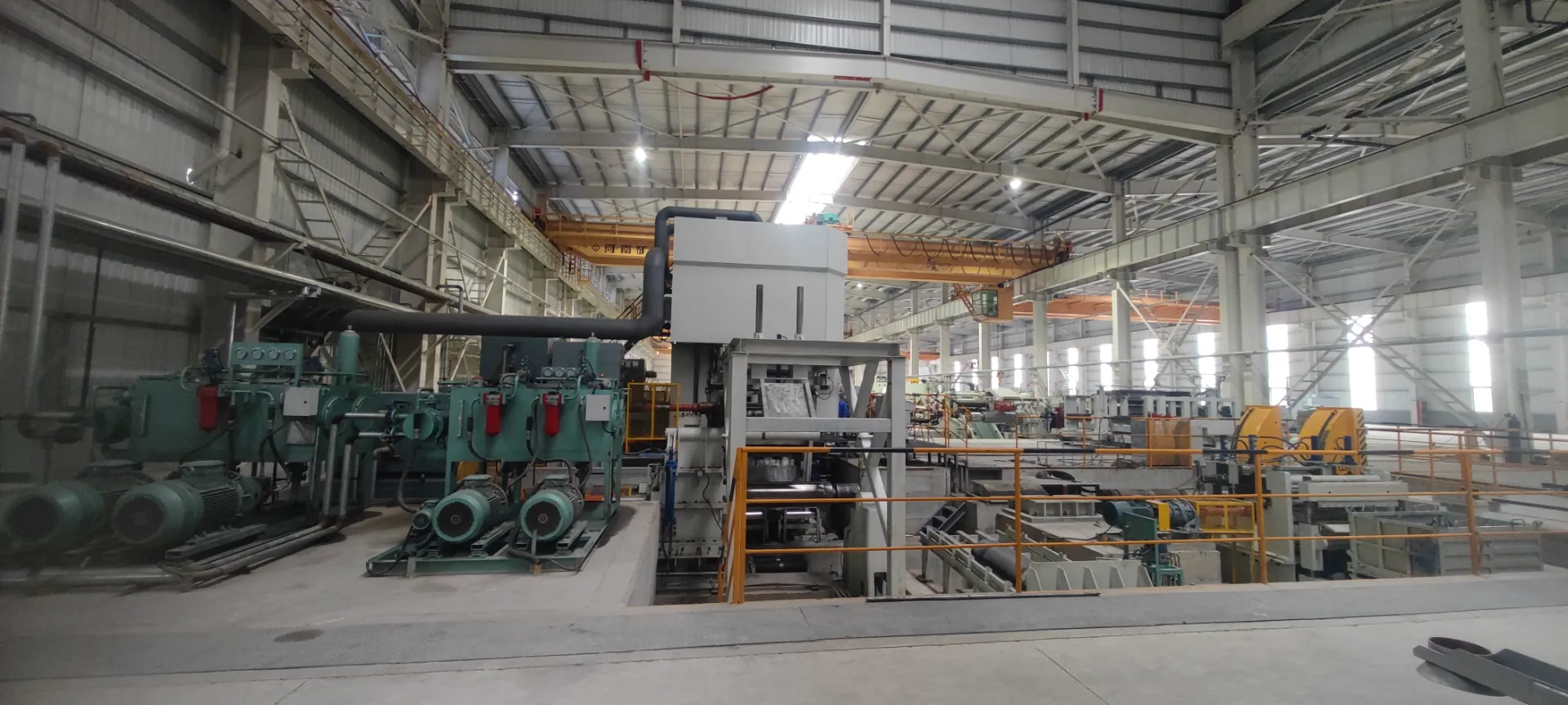 Best Practices for Integrating a Tandem Cold Mill into a Continuous Processing LineThe steel industry continuously seeks advancements in production efficiency, product quality, and operational cost reduction. One of the most critical components in achieving these goals is the seamless integration of a tandem cold mill (TCM) into a continuous processing line. This integration involves synchronizing multiple stages, from the pickling line to the final cold-rolled product, ensuring
 -
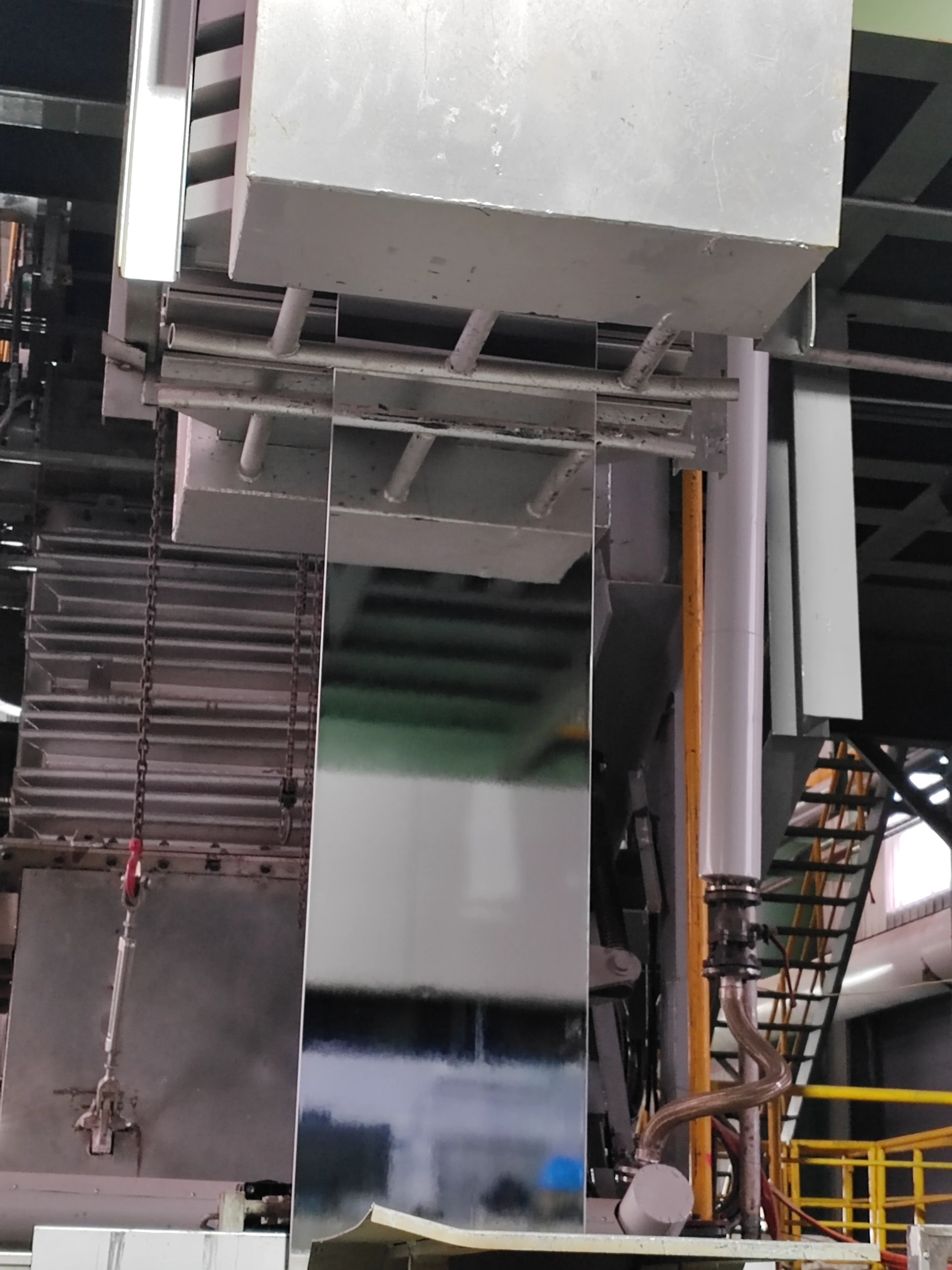 The Role of Temper Mill in Bright Annealing Line ApplicationsIn the steel and stainless steel manufacturing industry, the temper mill is a vital piece of equipment used to refine the mechanical properties and surface quality of metal strips. When integrated into a bright annealing line, the temper mill operation plays a critical role in ensuring the final product meets high standards of surface finish and dimensional accuracy. Bright annealing lines are des


